
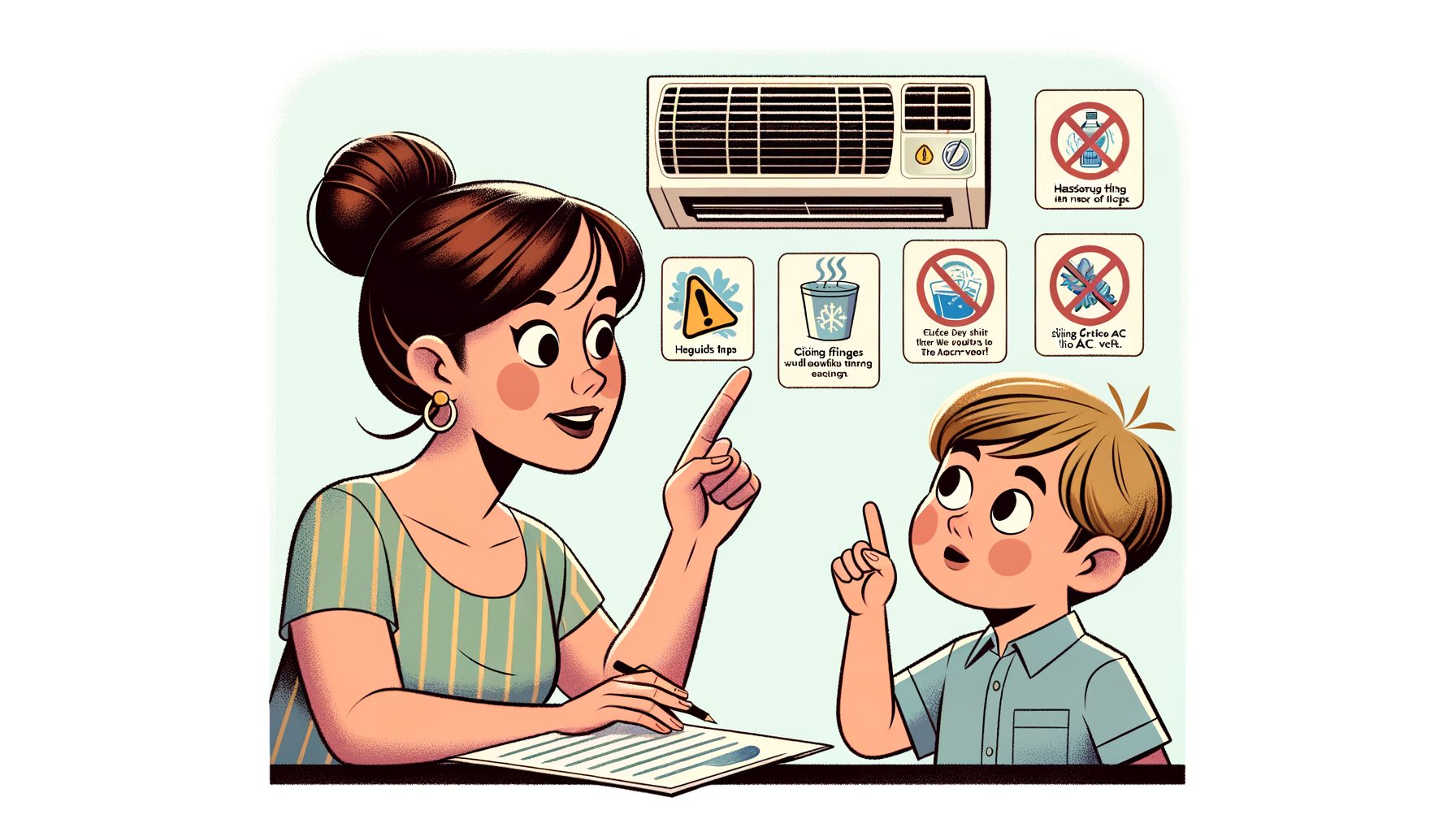
Heat waves, long school days, and busy homes make air conditioning a must—but for parents, the real challenge is keeping cooling both safe and healthy for children. Air Conditioning Safety Tips for Kids isn’t just a seasonal checklist; think of it as an everyday habit set that protects your child’s comfort, sleep quality, skin, breathing, and physical safety around AC units. The trouble many families never spot: overly cold rooms, dry air that irritates young lungs, unsecured window units, dirty filters, and sleep-disrupting noise. The good news is that a handful of smart adjustments can boost safety without sacrificing comfort—or spiking your energy bill.
In this parent-friendly guide, you get practical steps, backed by public health recommendations and HVAC best practices, to keep your home cooler, cleaner, and safer for kids. Expect clear temperature targets, humidity tips, filter advice, childproofing moves, and a simple emergency plan for heat waves or power outages. Keep reading to turn your AC into a true ally for your family’s wellbeing.
Set Safe Temperatures and Humidity: Comfort Without Cold Stress
Finding the right indoor climate for kids is a balancing act. Too cold and you risk dry skin, irritated airways, and poor sleep. Too warm and you invite overheating, crankiness, and dehydration. Most families do well with daytime cooling around 24–26°C (75–78°F), and slightly cooler overnight for sleep. For infants, many pediatric sources point to a nursery temperature in the 20–22°C (68–72°F) range to avoid both overheating and chill; older kids are typically comfortable between 20–24°C (68–75°F). Humidity matters just as much: the U.S. Environmental Protection Agency (EPA) recommends keeping indoor relative humidity at 30–50% to support airway comfort and lower mold risk. When AC runs hard, indoor air can get too dry—especially in arid climates—so monitor levels with a simple digital hygrometer.
Drafts influence comfort as much as the thermostat reading. Direct cold air on a child’s face or hands can cause discomfort even when the room temperature looks “ideal.” Position cribs and beds at least 1–2 meters from supply vents, and angle louvers so airflow rises or sweeps across the ceiling, not straight onto a sleeping child. If your system allows, select a low fan speed at night to reduce turbulence. A ceiling fan on low can mix air well and lets you raise the thermostat 1–2°C (2–4°F) without losing comfort—saving energy while avoiding cold spots.
Hydration plays a quiet but crucial role. Cool, dry air increases moisture loss from skin and breathing. Offer water regularly during playtime and keep a covered cup within reach at night for older kids. For infants, follow your pediatrician’s guidance; milk or formula typically remains the primary source of hydration.
To dial in comfort quickly, create consistent cues. Start bedtime cooling 30–60 minutes before lights out so the room reaches a stable temperature. Darken rooms with blackout shades to cut afternoon heat gain and lighten the load on your AC. If you notice dry lips, sneezing, static shocks, or a sore throat in the morning, nudge humidity toward 40–50% with a clean, well-maintained humidifier, but avoid exceeding 50% since higher levels can encourage dust mites and mold.
Homeowner tip: Small changes compound. Lowering the nursery from 23°C (73°F) to 22°C (72°F), redirecting the vent, and adding a quiet ceiling fan often improves sleep without making the room feel “cold.” Keep a simple log for a week—temperature, humidity, sleep quality—and adjust slowly.
Quick reference targets you can personalize to your child’s needs:
| Setting | Temperature | Humidity | Notes |
|---|---|---|---|
| Daytime play | 24–26°C (75–78°F) | 30–50% | Use fans to improve comfort at higher temps |
| Night (infants) | 20–22°C (68–72°F) | 40–50% | Place crib away from vents to reduce drafts |
| Night (older kids) | 20–24°C (68–75°F) | 40–50% | Lower fan speed to reduce noise and dryness |
For more on indoor humidity targets and comfort, see the EPA’s guidance on indoor air quality and moisture control at epa.gov/mold.
Keep the Air Clean: Filters, Freshness, and Mold Prevention
Cool air is only as healthy as the air that passes through your system. Kids—especially those with allergies or asthma—benefit from clean filters, balanced ventilation, and dry, mold-free components. For central HVAC systems, choose a filter with a MERV rating appropriate for your equipment—often MERV 8–13 in homes. MERV 11–13 captures finer particles, including some smoke and pollen, although airflow may be reduced in older systems. If you’re unsure, check your manual or ask a licensed HVAC technician about the highest MERV your blower can handle without strain.
Put filter changes on a reliable cadence. A common rhythm is every 60–90 days for average homes, and every 30–45 days if you have pets, construction dust, wildfire smoke, or allergies. Mark the date on the filter frame and set a recurring reminder on your phone. A clogged filter reduces airflow, lengthens run time, and can even cause coils to freeze—issues that raise moisture problems and create uneven cooling.
Look beyond the filter. Return grilles collect dust quickly at child height; wipe them monthly. Ensure at least 80% of your supply registers remain open so the system can “breathe.” Closing too many vents raises duct pressure, creates noise, and can push unfiltered air through leaks. Keep furniture, toys, and curtains 0.5–1 meter away from vents for smooth airflow.
Mold prevention begins with water control. Moisture removed by your AC should drain to a pan and out through a clean line. The drain line should be checked monthly in peak season. If you see standing water, algae slime, or smell mustiness near the air handler or window unit, switch the system off and address the cause—flush the drain with a manufacturer-recommended cleaner or call a pro. Visible mold on coils or inside a unit is a stop sign; professional cleaning is the safe route. The EPA advises duct cleaning only when there is visible mold, pests, or heavy debris restricting airflow—routine duct cleaning without a clear problem isn’t always necessary. Read more at epa.gov/indoor-air-quality-iaq.
Rooms where kids spend lots of time can benefit from a portable HEPA air purifier. Pick a unit with a Clean Air Delivery Rate (CADR) that matches the room size, place it 0.5–1 meter from walls for better intake, and run it on low-to-medium continuously. Replace HEPA and carbon filters on schedule to avoid odor buildup and performance loss. HEPA complements proper AC filtration—it doesn’t replace it—especially during allergy season or wildfire smoke events.
Scents deserve caution. Sprays, plug-ins, and “scent pads” in vents can introduce volatile organic compounds (VOCs) that irritate sensitive noses. For fresher air, lean on source control (laundry, diapers in sealed bins), ventilation (brief, strategic window openings when outdoor air is clean), and consistent filtration.
Childproof the Hardware: Window Units, Cords, Vents, and Outdoor Equipment
Air conditioners are appliances—and like any appliance, they bring physical risks if not installed and secured properly. A window AC should never rely on the window screen for support. Use the manufacturer’s brackets and screws, add an external support bracket if recommended, and tilt the unit slightly outward so condensate drains outside. Close and lock the window sash firmly, then seal gaps with insulating foam and rigid side panels. When the unit sits in a child’s room or a play area, consider a window guard to prevent falls, and ensure no climbable furniture sits beneath the window. Many cities publish window safety guidelines; your local building department website is a useful resource.
Electrical safety matters. Avoid running window ACs on undersized extension cords or power strips—they draw too much current and can overheat. Plug directly into a properly grounded wall outlet that matches the amperage on the nameplate. If a dedicated circuit is recommended, follow it. Frayed cords should be replaced immediately, and cord paths should be routed through low-profile covers to prevent tripping or tugging by curious hands. The U.S. Consumer Product Safety Commission (CPSC) offers practical tips on extension cord and appliance safety at cpsc.gov.
Inside the room, scan for pinch points and reach hazards. Many mini-split indoor heads and portable units have accessible louvers and fan intakes. Ensure filters and front panels are locked, and teach older kids not to poke fingers or toys into vents. Low wall registers should be covered with secure, child-safe grilles. Keep at least 0.5 meters of clearance around indoor units so airflow isn’t blocked by stuffed animals, blankets, or shelving.
Outdoors, the condenser needs room to breathe. Maintain at least 0.9 meters (3 feet) of clearance on all sides, trim shrubs, and keep bikes and balls away. The metal fins are sharp and easy to bend. Explain to kids that the outdoor unit is “look, don’t touch” territory; a small visual boundary (like landscape edging) reinforces the rule. During mowing or yard play, switch off the outdoor unit to avoid debris being drawn into the coil.
Noise is a subtle safety factor. Loud systems can disturb naps and push kids to turn up tablets or TVs, raising overall sound exposure. The World Health Organization notes that nighttime bedroom noise above roughly 30 dB can disrupt sleep for sensitive individuals. Many modern ACs and mini-splits run around 19–40 dB indoors on low—quiet enough for most nurseries. If your unit rattles or whines, it may need maintenance or simple fixes like leveling, tightening screws, or adding vibration pads. Small acoustic improvements can make bedtime smoother and benefit the whole family.
One more reality-check: AC units themselves don’t produce carbon monoxide, but portable generators used during outages do. If you plan for backup power, operate generators outdoors, far from windows, and install working CO alarms on every level of your home. See guidance from the CDC at cdc.gov/co.
Daily Routines, Maintenance, and Heat-Wave Readiness
Safety grows out of routines. Start with a 60-second daily scan: feel airflow at vents, listen for unusual sounds, look for water where it shouldn’t be, and confirm the thermostat is set to an appropriate schedule. Thermostat features like “lockout” or “temperature limits” prevent a curious child from cranking the system down to 16°C (61°F). With a smart thermostat, enable geofencing so cooling eases when the house is empty and ramps up before kids come home—good for comfort and your energy bill.
Build a simple monthly and seasonal checklist. Monthly in summer: replace or inspect filters, wipe returns, vacuum supply grilles, and flush the condensate line if your system has one. Seasonally: clean the outdoor condenser coil with a soft brush or garden hose from the inside out (power off first), straighten bent fins with a fin comb, and clear vegetation. Annually: schedule professional service to check refrigerant levels, electrical connections, blower performance, and safety controls. ENERGY STAR’s maintenance guidance is a helpful reference at energystar.gov.
Watch for red flags. Longer cooling cycles, ice on the refrigerant line, musty odors, frequent on/off “short cycling,” or hot rooms with cold ducts all suggest maintenance issues. Electrical smells or clicking breakers aren’t to be ignored—turn the system off and call a pro. If a window AC leaks inside, incorrect tilt or a clogged drain is likely. Fix quickly to prevent mold or wall damage.
Plan for extremes. During heat waves or power outages, designate one “cool room” with the best insulation and shading. Close doors during the hottest hours, run a portable HEPA purifier if air quality is poor, draw blackout shades, and use battery-powered fans to move air across damp washcloths for evaporative cooling. Dress kids in lightweight, breathable fabrics and encourage frequent sips of water. Know the signs of heat illness: heavy sweating turning to dry skin, dizziness, headache, nausea, confusion, and fast pulse. If you suspect heat stroke—a medical emergency—seek immediate help.
Sleep strategy matters, too. Start the bedtime cool-down early, keep noise low, and avoid setting the thermostat so cold that kids curl up tightly under heavy blankets; that traps heat and can confuse a child’s natural cooling process. If nighttime coughs or stuffy noses are common, aim for 40–50% humidity and ensure your filter is clean. A quiet “sleep” fan mode can provide comfortable white noise without drafts.
Finally, test your safety net twice a year: verify smoke and CO alarms, confirm you have surge protection for sensitive equipment, and make sure family members know how to turn off the AC at the breaker in an emergency. Share the plan with caregivers and babysitters so everyone handles cooling safely.
Q&A: Common Parent Questions
Is it safe to run AC all night in a child’s room? Yes, if you keep the temperature and humidity in a healthy range, avoid direct drafts on the bed, and control noise. For most families, 20–22°C (68–72°F) for infants and 20–24°C (68–75°F) for older kids works well. Use clean filters and keep vents clear.
What AC temperature is best for babies? Many pediatric sources suggest 20–22°C (68–72°F) as a comfortable nursery range. Dress infants in light sleepwear and keep cribs away from vents. Monitor your baby’s neck or chest—not hands—to judge temperature comfort.
Can air conditioning cause colds? Colds are caused by viruses, not cold air. Very cold, dry air can irritate airways and make kids more uncomfortable, though. Balanced humidity (30–50%) and clean filtration help reduce irritation and support comfort during cold and allergy seasons.
How often should I change filters with pets or allergies? Check every 30–45 days in peak season if you have pets or allergy sensitivities, and every 60–90 days otherwise. Use the highest MERV rating your system supports without reducing airflow.
Are essential oils safe to use with my AC? Better to skip adding oils or scents to vents or filters. They can introduce VOCs and coat coils or filters, reducing performance. Focus on source control, ventilation when outdoor air is good, and HEPA filtration for fresher indoor air.
Conclusion: Your Next 15 Minutes Can Make Cooling Safer for Your Kids
Let’s recap the essentials. Safe, child-friendly cooling starts with smart targets: set temperatures your kids can sleep in, keep humidity between 30–50%, and avoid direct drafts. Keep air clean with the right MERV filter changed on schedule, plus mold-free drains and optional HEPA purifiers in high-use rooms. Childproof the hardware—secure window units, manage cords, protect vents, and keep kids away from the outdoor condenser. Build daily and monthly routines, watch for red flags, and prepare a simple plan for heat waves or outages. These small, repeatable moves translate into better sleep, easier breathing, and fewer surprises.
Now, take action in 15 minutes. Walk through your child’s room and play space. Adjust the vent angle or move the crib a little farther from direct airflow. Check the thermostat schedule and lock settings. Peek at your filter and note the replacement date. Look at your window unit’s brackets and the cord path. Fill a water bottle for bedtime. If anything looks off—ice, leaks, musty smells—put a reminder on your calendar to fix it tomorrow or call a pro. A quick sweep like this builds a safer, calmer home through the hottest days of the year.
If this guide helped, bookmark it and share it with a friend or caregiver. For health-specific questions, ask your pediatrician. For system capability and filter choices, consult a licensed HVAC technician. Keep learning: review indoor air guidance from the EPA, seasonal maintenance tips from ENERGY STAR, and local window safety rules. Small gains add up fast—especially when they protect the people you love most.
Cooling can be kind to kids when parents lead with intention. Ready to make one change today—what will you adjust first?
Sources
American Academy of Pediatrics (Sleep environment and infant safety): healthychildren.org
U.S. Environmental Protection Agency (Indoor air quality, humidity, mold): epa.gov/mold and epa.gov/indoor-air-quality-iaq
ENERGY STAR (HVAC maintenance tips): energystar.gov
World Health Organization (Environmental noise and sleep): who.int
U.S. Consumer Product Safety Commission (Electrical and appliance safety): cpsc.gov
Centers for Disease Control and Prevention (Heat illness and carbon monoxide safety): cdc.gov/disasters/extremeheat and cdc.gov/co
ASHRAE (Thermal comfort basics): ashrae.org